
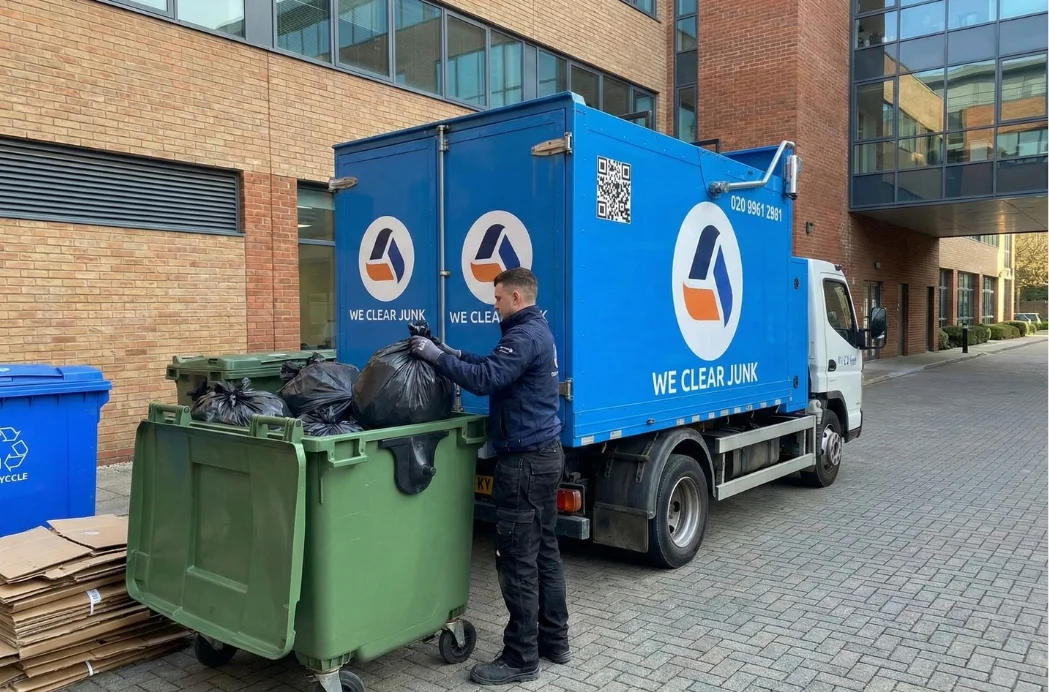
Commercial waste collection costs vary depending on the amount of waste your business produces, the types of materials involved, and how often collections are needed. Having a clear understanding of these factors makes it easier to choose the right provider, manage your waste efficiently, and stay fully compliant with environmental regulations.
This guide breaks down the main elements that influence commercial waste management costs, what’s typically included in a waste collection service, possible additional charges, and how to find an affordable and reliable waste partner for your business.
Key Inclusions Within Commercial Waste Collection Costs
Commercial waste collection services usually cover a broad range of activities designed to manage your business waste safely, legally, and efficiently. When you pay for a commercial waste service, the cost typically includes:
Regular Waste Collections
This covers the scheduled collection of your general waste bins, recycling bins, food waste bins, or any other containers you use. Collections can be arranged daily, weekly, fortnightly, or tailored to your waste output.
Bin Provision and Maintenance
Most providers supply the bins required for your business,whether that’s wheelie bins, commercial containers, food waste bins, DMR (dry mixed recycling) or cardboard recycling bins. Many also include maintenance, repairs, and replacements if bins are damaged.
Waste Handling and Transport
After collection, waste must be transported to licensed sorting or treatment facilities. Safe handling, lifting, and transportation form a significant part of the service.
Recycling Services
Businesses are expected to reduce the amount of waste sent to landfill. Collection costs often include the sorting and processing of DMR (dry mixed recycling), and recyclable materials such as cardboard, plastics, glass, and metals.
Compliance and Documentation
Proper paperwork,like Duty of Care certificates and waste transfer notes,is essential. A reputable waste provider ensures you stay compliant with waste legislation and environmental standards.
Typical Expenses in Commercial Waste Management
Although each business has unique waste needs, commercial waste collection costs usually relate to:
- The number and size of bins used (240 litre wheelie bins are the most common, then 360 litre and then the 4 wheel bins: 660 litre and 1100 litre ones).
- The types of waste generated (general waste, food waste, cardboard, mixed recycling, clinical waste, bulky waste, electrical waste, etc.)
- Collection frequency
- Labour, transport, and operational costs
- Processing and compliance requirements
Many businesses choose bundled waste services, such as combining general waste and recycling collections, which helps create a more efficient and cost-effective setup.
Understanding Commercial Waste Collection Costs
Commercial waste collection costs vary because every business produces waste differently. Instead of a universal rate, the total cost depends on your waste volume, types of waste, and collection frequency.
Different business examples include:
- Cafés and restaurants generating food waste alongside general waste and recyclables
- Offices with a higher need for cardboard, paper, and mixed recycling
- Construction firms requiring large containers or skip-based solutions
Combining multiple waste streams can also affect the overall cost. The key is aligning your bin size, waste streams, and collection schedule with the actual waste your business produces.
Factors Influencing Commercial Waste Collection Costs
Several elements contribute to the final cost of your commercial waste service:
Waste Volume
The more waste you produce, the larger the bins or the more frequent the collections required. Reducing waste at the source helps control your costs.
Waste Type
Different waste streams require different handling, such as:
- Food waste: needs specialist processing
- Recyclables: often cheaper to manage
- Ad-hoc Bulky Waste: best collected by man and van rubbish removal teams
- Hazardous or clinical waste: requiring licensed disposal
Collection Frequency
Daily collections cost more than weekly or fortnightly arrangements. Adjusting your collection frequency can significantly reduce spending.
Location and Access
Businesses located in hard-to-reach areas, narrow streets, or remote areas may have variations in costs due to transport and routing factors.
Bin Size and Container Type
From standard wheelie bins to larger commercial containers like FELs, the type and size of container influences the collection cost.
One great benefit of man and van rubbish collections is that they will take as much or as little as you need gone. You can only pay for the amount they clear away.
Contamination Levels
When recycling bins contain incorrect materials, the waste provider has to re-sort the waste, which can lead to additional charges. This can also lower the recycling rate, if recyclables are contaminated with general waste that is difficult to segregate.
Specialist Waste Streams
Electrical items (WEEE waste), furniture (POPS legislation), confidential waste, packaging waste, and bulk materials may require separate collections, but some man and van waste experts can remove mixed waste and sort at MRF’s or their own premises.
Extra Charges Linked to Commercial Waste Services
Though most providers offer clear waste plans, some situations may bring additional charges:
Overfilled Bins
If a bin exceeds capacity or the lid cannot close, extra handling fees may apply.
Missed Access Fees
If a bin is blocked, locked away, or inaccessible, the provider may charge for failed collections.
One-Off Waste Removal
Items like old equipment, bulky furniture, or large quantities of cardboard usually require special collections.
Specialist Waste Services
Hazardous chemicals, sharps, oils, medical waste, and clinical materials require authorised disposal, which can increase costs.
Weight-Based Charges
Some services calculate charges based on waste weight. Heavier waste streams can raise your overall costs.
The Importance of Managing Commercial Waste Responsibly
Managing your business waste properly is more than just good practice,it’s a legal obligation.
Meeting Environmental Regulations
Businesses must ensure waste is handled by licensed carriers and documented correctly.
Protecting Your Business Reputation
Customers prefer companies that take sustainability and waste reduction seriously.
Ensuring a Safe and Compliant Workplace
Poor waste storage can create health hazards, attract pests, cause odours, or lead to safety issues.
Supporting Recycling and Sustainability Goals
Recycling helps reduce environmental impact and can lower general waste quantities, which may reduce costs.
Avoiding Penalties
Using unlicensed carriers or disposing of waste incorrectly can lead to fines and legal consequences,even if the business wasn’t directly responsible.
Finding the Most Affordable Commercial Waste Collection
You can reduce waste collection costs without cutting corners or risking non-compliance by following these steps:
Conduct a Waste Audit
Identify how much waste you produce, what types, and how often bins are filled. Many businesses find they’re overpaying for unnecessary collections.
Compare Waste Providers
Different companies specialise in different waste streams. Compare services, reliability, and collection options,not just cost.
Boost Your Recycling Efforts
Recycling is often cheaper than general waste disposal. Increasing your recycling can reduce your overall waste bill.
Prevent Bin Contamination
Keeping recycling bins correctly sorted prevents extra fees and ensures your waste is disposed of properly.
Reduce Waste at the Source
Consider:
- Switching to reusable packaging
- Improving stock control
- Reducing over-ordering
- Training staff to minimise waste
Choose the Right Bin Size
Avoid paying for bins that are too large or collections that are too frequent.
Look Out for Hidden Fees
Select providers that offer clear, transparent pricing with no unexpected extras.
Selecting the Right Commercial Waste Collection Company
When choosing a waste management company, consider the following:
Licensed Waste Carrier
Ensure the provider is legally registered to handle and transport commercial waste.
Range of Waste Streams
Choose a company that supports the full range of waste your business generates: general waste, mixed recycling, cardboard, food waste, glass, WEEE waste, or bulky items.
Flexible Services
A good provider offers adaptable bin sizes, flexible collection schedules, and scalable plans.
Strong Environmental Practices
Companies focused on recycling and sustainable waste handling help your business minimise environmental impact and ensure your waste is processed with the least negative impact. Look for waste clearance companies with an environmental impact assessment (like Ecovadis or similar). These will essentially give the company an environmental impact “score”.
Reliable Customer Service
Consistent collections and responsive support help prevent operational disruptions. Look for strong Google reviews or other review platforms.
Conclusion
Commercial waste collection costs vary depending on your business, but gaining a clear understanding of what’s included,and what influences the final amount,helps you make informed decisions. With the right waste partner, efficient recycling processes, and well-planned bin usage, your business can stay compliant, clean, and environmentally responsible while keeping costs under control.
Experienced Entrepreneur with a strong history of working in the Waste Logistics industry. Darren has led We Clear Junk’s operations since 2006, overseeing a 15-truck fleet across London.


